Would you like to switch to the accessible version of this site?

Go to accessible site Close modal window

Don't need the accessible version of this site?

Hide the accessibility button Close modal window
Accessibility View Close toolbar
Premier VetCare

Connect With Us

13197 Old Nashville Hwy

Smyrna, TN 37167 US

615-459-0802

Open mobile navigation
  • Home
  • Online Forms
    • Client Registration
    • Pet Registration
    • Puppy Wellness Check-In
    • Kitten Wellness Check-In
    • Adult Wellness Check-In
    • Senior Wellness Check-In
    • Surgical Check-In Forms
    • Feline Low Cost Spay & Neuter Registration
    • Glucose Curve
  • New Patient & Policy Center
    • Premier Referral Rewards
    • Virtual Office Tour
    • Payment Options
    • What to Expect
    • Medical Records Request
    • Prescription Policy
    • Exam Booking Fees
    • Urgent Care & Walk-Ins
    • Driver License Policy
    • Nail Trim Policy
  • About Us
    • Services
    • Meet Our Veterinarians
  • Premier Pets
    • What Are Premier Pets?
    • Canine Low Cost Spay & Neuter
    • Feline Low Cost Spay & Neuter
    • Dental Health Clinic
    • PET CARE BASICS
    • Senior Pet Wellness
    • ProHeart
  • Shop Online
    • Premier Recommendations
  • Schedule Appointment
  • Boarding & Grooming
  • Veterinary Topics
    • Pet Health
      • Chronic Conditions
      • Digestive and Oral Health
      • Diseases and Viruses
      • Pests and Parasites
      • Orthopedics
    • Today's Veterinarian
    • Choosing Your Pet
      • Finding Your Pet
      • Cats
      • Dogs
      • Exotics
        • Amphibians
        • Birds
        • Reptiles
          • Lizards
          • Turtles
      • Small Mammals
        • Ferrets
        • Rabbits
        • Domesticated Animals
          • Prairie Dogs
        • Pocket Pets
          • Chinchillas
          • Guinea Pigs
          • Hamsters
          • Hedgehogs
          • Rats
      • Livestock
        • Cows
        • Donkeys, Horses & Mules
        • Goats
        • Pigs
        • Poultry
        • Sheep
    • Living With Your Pet
      • Bringing Your Pet Home
      • Children and Pets
      • Providing Care
      • Travel
      • Saying Goodbye
    • Newsletter Library
      • Cats
      • Tips for Pet Owners
      • Behavior & Training
      • Fleas & Parasites
      • Keeping Pets Healthy
      • Recognizing Illness
      • Nutrition & Food
      • Pet Dangers
      • Seasonal Topics
      • Visiting the Vet
      • Equine
      • Newsletter Archive
        • Fun with Pets
        • Unbelievable Pets
    • Video Newsroom
      • Health Topics
      • Technology and Science
      • Other Interests
    • Newsletter Library
    • Client Survey
    • Pets4Kids
  • Contact Us
  • Employment Opportunities
  • Home >
  • Articles >
  • Newsletter Library >
  • May Newsletter: Which Human Foods Are Safe for Dogs?

May Newsletter: Which Human Foods Are Safe for Dogs?

  • Created in Newsletter Library

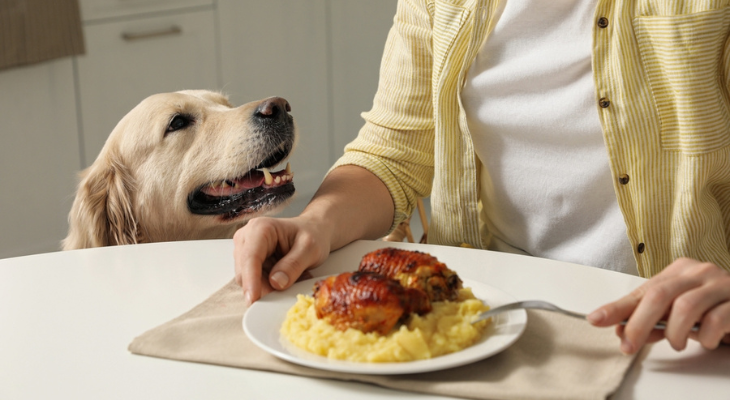
Yellow lab begs for table scraps.

Which Human Foods Are Safe for Dogs?

Dog food provides all the nutrients your furry friend needs for good health, but that doesn't mean your pet can't enjoy a taste of some of your favorite foods from time to time. Confused about which foods are safe for dogs? Take a look at our list of people food you can share with your pet.

Meat, Poultry, and Fish

Meat, poultry, and fish, the staples of many human diets, also appeal to dogs. Beef, liver, lamb, chicken, turkey, shrimp, and fish are high in protein, which your dog needs for a sleek coat, healthy weight, and strong muscles and immune system. Although these foods are good for your dog, offer small samples to prevent weight gain or gastrointestinal issues. Serve these foods after cooking to prevent bacterial or salmonella infections.

Remove any bones, particularly when offering poultry or fish. Choking or damage to the mouth, throat, or digestive system lining can happen when cooked bones break or splinter. Cut off fat before offering your dog a taste of your meal. Eating fat can cause diarrhea or could increase your pet's risk of obesity or pancreatitis.

Seasonings might make your food taste better, but highly seasoned food can sicken your dog or cause gastrointestinal issues. If you plan to give your pet a taste of meat, poultry, fish, or seafood, omit the seasoning from a small area when cooking or wash off seasonings after cooking if possible.

Make sure dishes don't contain onions, garlic, shallots, chives, or leaks. These ingredients can be toxic to dogs and may cause a dangerous condition called hemolytic anemia. Onion and garlic powders are even stronger than fresh onions and garlic, according to the American Kennel Club (AKC), and should be avoided.

Unfortunately, some dogs are allergic to meat, poultry, or fish. Symptoms of food allergies include vomiting, diarrhea, gas, itchy skin, hives, or swelling in the eyelids, lips, or ears.

Vegetables

Want to share your love of vegetables with your pet? Some dogs love them, while others turn their noses up at veggies. These vegetables are safe for your pet:

  • Bell Peppers
  • Broccoli
  • Brussels Sprouts
  • Cabbage
  • Cauliflower
  • Celery (with strings removed)
  • Carrots (cooked)
  • Corn
  • Green Beans (cooked)
  • Peas (cooked)
  • Potatoes (plain, skinless, roasted)
  • Spinach (cooked, in small amounts. Large amounts can cause kidney or bladder stones or irritate your dog's stomach.)
  • Sweet Potatoes (plain, skinless, cooked)
  • Zucchini

PetMD notes that broccoli, peas, cauliflower, Brussels sprouts, and cabbage can cause excess gas and bloating. If that's the case for your pet, only offer small amounts of these vegetables or don't feed them to your dog at all.

Fruit

Your dog may enjoy some of the same fruits you do, including:

  • Apples
  • Bananas
  • Berries
  • Cantaloupes
  • Kiwis
  • Mangoes
  • Oranges
  • Peaches
  • Pears
  • Pineapples
  • Pumpkin (cooked)
  • Watermelon

Peel oranges, cut off watermelon and pineapple rinds, and remove seeds and pits before offering fruit to your dog.

Eggs and Dairy

A hardboiled egg (without the shell) or a scrambled egg make tasty snacks for your pet. Eggs contain protein, selenium, riboflavin, and vitamin D, nutrients that enhance your dog's health. An occasional sip of milk is fine for many dogs, although some are lactose intolerant. If your dog can't digest lactose, it may experience stomach pain, vomiting, diarrhea, bloating, gas, or lack of appetite due to nausea.

Dogs can also eat plain yogurt, although pets with lactose intolerance will also want to avoid this food. Small amounts of cheese makes a good occasional treat if your dog isn't lactose intolerant. The AKC recommends offering mozzarella and cottage cheeses or other lower-fat cheeses.

Other Foods

Your dog can also safely eat bread, unsalted cashews and peanuts, unsalted peanut butter, honey, rice, quinoa, and unsalted, unbuttered popcorn.

Do you have a concern about your dog's diet? Let us know how we can help! Get in touch with our office to ask a question or schedule an appointment.

Sources:

American Kennel Club: People Foods Dogs Can and Can’t Eat, 3/14/2024

https://www.akc.org/expert-advice/nutrition/human-foods-dogs-can-and-cant-eat/

PetMD: What Vegetables Can Dogs Eat, 11/17/2022

https://www.petmd.com/dog/nutrition/what-vegetables-can-dogs-eat

Forbes: What Fruits Can Dogs eat (And Which Are Bad for Them), 4/3/23

https://www.forbes.com/advisor/pet-insurance/pet-care/fruits-dogs-can-eat/

ASPCA: Sharing is Caring: Foods You Can Safely Share with Your Pet, 1/28/2021

https://www.aspca.org/news/sharing-caring-foods-you-can-safely-share-your-pet

  • Pet Health
    • Chronic Conditions
    • Digestive and Oral Health
    • Diseases and Viruses
    • Pests and Parasites
    • Orthopedics
  • Today's Veterinarian
  • Choosing Your Pet
    • Finding Your Pet
    • Cats
    • Dogs
    • Exotics
      • Amphibians
      • Birds
      • Reptiles
        • Lizards
        • Turtles
    • Small Mammals
      • Ferrets
      • Rabbits
      • Domesticated Animals
        • Prairie Dogs
      • Pocket Pets
        • Chinchillas
        • Guinea Pigs
        • Hamsters
        • Hedgehogs
        • Rats
    • Livestock
      • Cows
      • Donkeys, Horses & Mules
      • Goats
      • Pigs
      • Poultry
      • Sheep
  • Living With Your Pet
    • Bringing Your Pet Home
    • Children and Pets
    • Providing Care
    • Travel
    • Saying Goodbye
  • Newsletter Library
    • Cats
    • Tips for Pet Owners
    • Behavior & Training
    • Fleas & Parasites
    • Keeping Pets Healthy
    • Recognizing Illness
    • Nutrition & Food
    • Pet Dangers
    • Seasonal Topics
    • Visiting the Vet
    • Equine
    • Newsletter Archive
      • Fun with Pets
      • Unbelievable Pets
  • Video Newsroom
    • Health Topics
    • Technology and Science
    • Other Interests
  • Newsletter Library
  • Client Survey
  • Pets4Kids

Free Heartworm Test With Proheart Injection

Complete Form Below For Details

Error!

    Featured Links

    Click to find out more

    • Online Forms

      Our patient forms are available online so they can be completed in the convenience of your own home or office.
    • Wellness Pricing

      Pricing for our most Common requested services.
    • Make An Appointment

      We will do our best to accommodate your busy schedule. Schedule an appointment today!

    Office Hours

    Our Regular Schedule

    Monday:

    7:30 am

    5:30 pm

    Walk-Ins & Urgent Care 8 am - 4 pm

    Tuesday:

    7:30 am

    5:30 pm

    Walk-Ins & Urgent Care 8 am - 4 pm

    Wednesday:

    7:30 am

    5:30 pm

    Walk-Ins & Urgent Care 8 am - 4 pm

    Thursday:

    7:30 am

    5:30 pm

    Walk-Ins & Urgent Care 8 am - 4 pm

    Friday:

    7:30 am

    5:30 pm

    Walk-Ins & Urgent Care 8 am - 4 pm

    Saturday:

    Closed

    Closed

    Sunday:

    Closed

    Closed

    Location

    Find us on the map

    Featured Articles

    Read about interesting topics

    • March Newsletter: How to Keep Your Cat Safe When Outdoors

      Wondering how your cat can safely spend time outdoors? ...

      Read More
    • March Newsletter: How to Choose Safe Blankets for Pets

      Do you know how to pick a safe blanket for your pet? ...

      Read More
    • February Newsletter: How to Reduce Dental Anxiety in Pets

      Does your pet hate toothbrushing? These tips could reduce dental anxiety. ...

      Read More
    • February Newsletter: How to Safely Change Your Cat’s Food

      Buying a new food for your cat? Find out how to switch foods safely. ...

      Read More
    • January Newsletter: Signs Your Pet Needs a Wellness Exam

      Does your pet need a wellness exam? ...

      Read More
    • January Newsletter: How Your Veterinarian Can Help If Your Pet Ingests Something Toxic

      Has your pet eaten something it shouldn't have? Find out how your vet can help. ...

      Read More
    • December Newsletter: Signs Your Pet Needs a Professional Cleaning

      Do you know when your pet needs a professional cleaning? ...

      Read More
    • December Newsletter: Simple Ways to Keep Your Home Flea-Free for Your Pet’s Well-being

      Never want to see another flea again? Try these tips for a flea-free home. ...

      Read More
    • November Newsletter: The Importance of Bloodwork for Your Pet’s Health

      Wondering if your pet really needs bloodwork? Find out the benefits of blood tests for your furry friend. ...

      Read More
    • November Newsletter: Turkey Day Tips for Pet Owners

      Don't forget about your pet when making Turkey Day preparations. ...

      Read More

    NEWSLETTER SIGNUP

    Sign up for more articles

    Error!

      Connect With Us

      • Copyright © 2026 MH Sub I, LLC dba iMatrix.
      • Admin Log In
      • Site Map