Would you like to switch to the accessible version of this site?

Go to accessible site Close modal window

Don't need the accessible version of this site?

Hide the accessibility button Close modal window
Accessibility View Close toolbar
Premier VetCare

Connect With Us

13197 Old Nashville Hwy

Smyrna, TN 37167 US

615-459-0802

Open mobile navigation
  • Home
  • Online Forms
    • Client Registration
    • Pet Registration
    • Puppy Wellness Check-In
    • Kitten Wellness Check-In
    • Adult Wellness Check-In
    • Senior Wellness Check-In
    • Surgical Check-In Forms
    • Feline Low Cost Spay & Neuter Registration
    • Glucose Curve
  • New Patient & Policy Center
    • Premier Referral Rewards
    • Virtual Office Tour
    • Payment Options
    • What to Expect
    • Medical Records Request
    • Prescription Policy
    • Exam Booking Fees
    • Urgent Care & Walk-Ins
    • Driver License Policy
    • Nail Trim Policy
  • About Us
    • Services
    • Meet Our Veterinarians
  • Premier Pets
    • What Are Premier Pets?
    • Canine Low Cost Spay & Neuter
    • Feline Low Cost Spay & Neuter
    • Dental Health Clinic
    • PET CARE BASICS
    • Senior Pet Wellness
    • ProHeart
  • Shop Online
    • Premier Recommendations
  • Schedule Appointment
  • Boarding & Grooming
  • Veterinary Topics
    • Pet Health
      • Chronic Conditions
      • Digestive and Oral Health
      • Diseases and Viruses
      • Pests and Parasites
      • Orthopedics
    • Today's Veterinarian
    • Choosing Your Pet
      • Finding Your Pet
      • Cats
      • Dogs
      • Exotics
        • Amphibians
        • Birds
        • Reptiles
          • Lizards
          • Turtles
      • Small Mammals
        • Ferrets
        • Rabbits
        • Domesticated Animals
          • Prairie Dogs
        • Pocket Pets
          • Chinchillas
          • Guinea Pigs
          • Hamsters
          • Hedgehogs
          • Rats
      • Livestock
        • Cows
        • Donkeys, Horses & Mules
        • Goats
        • Pigs
        • Poultry
        • Sheep
    • Living With Your Pet
      • Bringing Your Pet Home
      • Children and Pets
      • Providing Care
      • Travel
      • Saying Goodbye
    • Newsletter Library
      • Cats
      • Tips for Pet Owners
      • Behavior & Training
      • Fleas & Parasites
      • Keeping Pets Healthy
      • Recognizing Illness
      • Nutrition & Food
      • Pet Dangers
      • Seasonal Topics
      • Visiting the Vet
      • Equine
      • Newsletter Archive
        • Fun with Pets
        • Unbelievable Pets
    • Video Newsroom
      • Health Topics
      • Technology and Science
      • Other Interests
    • Newsletter Library
    • Client Survey
    • Pets4Kids
  • Contact Us
  • Employment Opportunities
  • Home >
  • Articles >
  • Newsletter Library >
  • July Newsletter: Do Pocket Pets Need Regular Exams?

July Newsletter: Do Pocket Pets Need Regular Exams?

  • Created in Newsletter Library

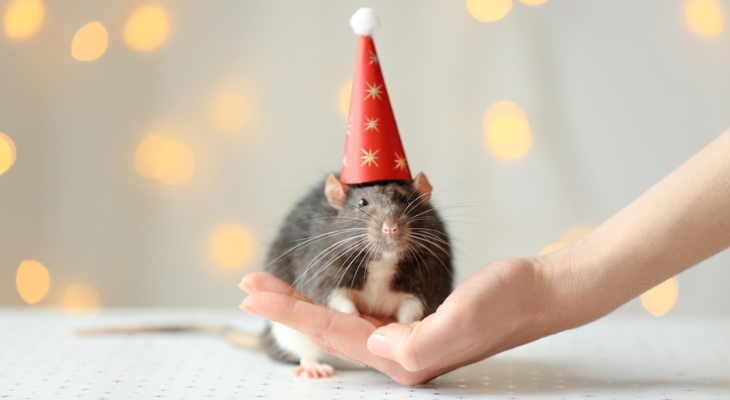
Chubby rat wears little birthday hat.

Do Pocket Pets Need Regular Exams?

Is an appointment with the veterinarian on your pocket pet's calendar this year? All pets, regardless of their size, need to see the veterinarian at least once a year.

The Benefits of Veterinary Care

Called pocket pets because they're so small they could fit in a pocket, these cute pets may appear on the outside to be fairly self-sufficient. Whether you have a guinea pig, hamster, gerbil, rabbit, chinchilla, hedgehogs, sugar glider, mouse, or rat, your pet needs more than just food, water, and a clean cage. Regular veterinary care is a must. Without it, your pet may suffer unnecessarily if it develops an injury or illness. Benefits of regular veterinary visits include:

  • Prompt Treatment for Illnesses. Although it's true that pocket pets have shorter lifespans than dogs and cats, many of them die too soon because they don't receive veterinary treatment when they first become ill. It's not always easy to tell that your pet is sick, as pocket pets may hide signs of illness. Regular exams help your pet's veterinarian spot potential or current health issues and offer treatments that will improve your little friend's health.
  • Diagnosis of Common Health Problems. Pocket pets, depending on their type, are prone to developing several serious or chronic health issues. Rabbits are more likely to develop respiratory tract infections, while a vitamin C deficiency can cause a health problem similar to scurvy in guinea pigs. During annual exams, your veterinarian checks for signs of the diseases or illnesses common in your type of pocket pet.
  • Dental Care. The teeth of rabbits, guinea pigs, gerbils, hamsters, rats, and mice never stop growing. Chewing on leafy greens, hay, untreated wood, and chew toys usually prevents tooth overgrowth. Unfortunately, sometimes teeth grow too long even if you provide ample chewing opportunities for your pet. Overgrown teeth make it harder to eat and may damage your pet's mouth. If overgrowth is a problem, your pocket pet's veterinarian can trim its teeth during an annual visit. During the exam, he or she will also check for dental abscesses, broken teeth and other dental issues that could affect your pocket pet's health and wellbeing.
  • Advice and Recommendations. Annual exams are the perfect time to ask your pet's veterinarian questions about diet, behavior, cages, bedding, health conditions, and other questions about pocket pet care. Thinking about bringing home a friend for your pet? Although some animals just want to be alone, others thrive with cage-mates. Your veterinarian can help you decide if it's a good idea to add another hamster, gerbils, rabbit, mouse, guinea pig, or other pocket pet to your situation.

How to Tell if Your Pocket Pet Is Hurt or Unwell

It's not always easy to tell that a pocket problem is injured or sick. These signs could indicate that your pet needs to see the veterinarian:

  • Diarrhea. Diarrhea can be serious in pocket pets, as their small size increases the risk of dehydration or even death. Diarrhea could be related to diet or might be a sign of a more serious problem, like wet tail in hamsters. This bacterial infection is the most common cause of hamster death, according to a research study by the Royal Veterinary College.
  • Appearance Changes. Is your pocket pet losing weight or hair? Have you noticed lumps or swelling or other changes? Does your pet have trouble walking? Any change in appearance is a cause for concern. The American Animal Hospital Association recommends checking your pet for lumps and bumps at least once a week.
  • Injuries. Cuts, swollen limbs, torn skin on tails, and other injuries also require a trip to the veterinarian. Treating injuries promptly reduces the risk of infection that could threaten your pocket pet's health.
  • Breathing Issues. Call your pet's veterinarian right away if it's struggling to breathe. Signs of breathing difficulties could include squeaking sounds, wheezing, or breathing with the mouth open.
  • Behavioral Changes. Is your pocket pet not quite as energetic as usual? Does it spend most of its time in its hideout? Just like you, your pet may not feel like playing or socializing when it doesn't feel well.

Has your pocket pet seen the veterinarian lately? Contact our office to schedule an appointment.

Sources:

American Animal Hospital Association: Is a Pocket Pet Right for Me?

https://www.aaha.org/your-pet/pet-owner-education/ask-aaha/is-a-pocket-pet-right-for-you/

Merck Manual: Disorders and Diseases of Guinea Pigs, 10/2022

https://www.merckvetmanual.com/all-other-pets/guinea-pigs/disorders-and-diseases-of-guinea-pigs

PetMD: Gerbil Care Sheet, 3/21/2023

https://www.petmd.com/exotic/gerbil-care-sheet

Royal Veterinary College: Largest Study Reveals Most Common Disorders and Lifespan of Pet Hamsters in the UK, 6/23/2022

https://www.rvc.ac.uk/vetcompass/news/largest-study-reveals-most-common-disorders-and-lifespan-of-pet-hamsters-in-the-uk

  • Pet Health
    • Chronic Conditions
    • Digestive and Oral Health
    • Diseases and Viruses
    • Pests and Parasites
    • Orthopedics
  • Today's Veterinarian
  • Choosing Your Pet
    • Finding Your Pet
    • Cats
    • Dogs
    • Exotics
      • Amphibians
      • Birds
      • Reptiles
        • Lizards
        • Turtles
    • Small Mammals
      • Ferrets
      • Rabbits
      • Domesticated Animals
        • Prairie Dogs
      • Pocket Pets
        • Chinchillas
        • Guinea Pigs
        • Hamsters
        • Hedgehogs
        • Rats
    • Livestock
      • Cows
      • Donkeys, Horses & Mules
      • Goats
      • Pigs
      • Poultry
      • Sheep
  • Living With Your Pet
    • Bringing Your Pet Home
    • Children and Pets
    • Providing Care
    • Travel
    • Saying Goodbye
  • Newsletter Library
    • Cats
    • Tips for Pet Owners
    • Behavior & Training
    • Fleas & Parasites
    • Keeping Pets Healthy
    • Recognizing Illness
    • Nutrition & Food
    • Pet Dangers
    • Seasonal Topics
    • Visiting the Vet
    • Equine
    • Newsletter Archive
      • Fun with Pets
      • Unbelievable Pets
  • Video Newsroom
    • Health Topics
    • Technology and Science
    • Other Interests
  • Newsletter Library
  • Client Survey
  • Pets4Kids

Free Heartworm Test With Proheart Injection

Complete Form Below For Details

Error!

    Featured Links

    Click to find out more

    • Online Forms

      Our patient forms are available online so they can be completed in the convenience of your own home or office.
    • Wellness Pricing

      Pricing for our most Common requested services.
    • Make An Appointment

      We will do our best to accommodate your busy schedule. Schedule an appointment today!

    Office Hours

    Our Regular Schedule

    Monday:

    7:30 am

    5:30 pm

    Walk-Ins & Urgent Care 8 am - 4 pm

    Tuesday:

    7:30 am

    5:30 pm

    Walk-Ins & Urgent Care 8 am - 4 pm

    Wednesday:

    7:30 am

    5:30 pm

    Walk-Ins & Urgent Care 8 am - 4 pm

    Thursday:

    7:30 am

    5:30 pm

    Walk-Ins & Urgent Care 8 am - 4 pm

    Friday:

    7:30 am

    5:30 pm

    Walk-Ins & Urgent Care 8 am - 4 pm

    Saturday:

    Closed

    Closed

    Sunday:

    Closed

    Closed

    Location

    Find us on the map

    Featured Articles

    Read about interesting topics

    • March Newsletter: How to Keep Your Cat Safe When Outdoors

      Wondering how your cat can safely spend time outdoors? ...

      Read More
    • March Newsletter: How to Choose Safe Blankets for Pets

      Do you know how to pick a safe blanket for your pet? ...

      Read More
    • February Newsletter: How to Reduce Dental Anxiety in Pets

      Does your pet hate toothbrushing? These tips could reduce dental anxiety. ...

      Read More
    • February Newsletter: How to Safely Change Your Cat’s Food

      Buying a new food for your cat? Find out how to switch foods safely. ...

      Read More
    • January Newsletter: Signs Your Pet Needs a Wellness Exam

      Does your pet need a wellness exam? ...

      Read More
    • January Newsletter: How Your Veterinarian Can Help If Your Pet Ingests Something Toxic

      Has your pet eaten something it shouldn't have? Find out how your vet can help. ...

      Read More
    • December Newsletter: Signs Your Pet Needs a Professional Cleaning

      Do you know when your pet needs a professional cleaning? ...

      Read More
    • December Newsletter: Simple Ways to Keep Your Home Flea-Free for Your Pet’s Well-being

      Never want to see another flea again? Try these tips for a flea-free home. ...

      Read More
    • November Newsletter: The Importance of Bloodwork for Your Pet’s Health

      Wondering if your pet really needs bloodwork? Find out the benefits of blood tests for your furry friend. ...

      Read More
    • November Newsletter: Turkey Day Tips for Pet Owners

      Don't forget about your pet when making Turkey Day preparations. ...

      Read More

    NEWSLETTER SIGNUP

    Sign up for more articles

    Error!

      Connect With Us

      • Copyright © 2026 MH Sub I, LLC dba iMatrix.
      • Admin Log In
      • Site Map