Would you like to switch to the accessible version of this site?

Go to accessible site Close modal window

Don't need the accessible version of this site?

Hide the accessibility button Close modal window
Accessibility View Close toolbar
Premier VetCare

Connect With Us

13197 Old Nashville Hwy

Smyrna, TN 37167 US

615-459-0802

Open mobile navigation
  • Home
  • Online Forms
    • Client Registration
    • Pet Registration
    • Puppy Wellness Check-In
    • Kitten Wellness Check-In
    • Adult Wellness Check-In
    • Senior Wellness Check-In
    • Surgical Check-In Forms
    • Feline Low Cost Spay & Neuter Registration
    • Glucose Curve
  • New Patient & Policy Center
    • Premier Referral Rewards
    • Virtual Office Tour
    • Payment Options
    • What to Expect
    • Medical Records Request
    • Prescription Policy
    • Exam Booking Fees
    • Urgent Care & Walk-Ins
    • Driver License Policy
    • Nail Trim Policy
  • About Us
    • Services
    • Meet Our Veterinarians
  • Premier Pets
    • What Are Premier Pets?
    • Canine Low Cost Spay & Neuter
    • Feline Low Cost Spay & Neuter
    • Dental Health Clinic
    • PET CARE BASICS
    • Senior Pet Wellness
    • ProHeart
  • Shop Online
    • Premier Recommendations
  • Schedule Appointment
  • Boarding & Grooming
  • Veterinary Topics
    • Pet Health
      • Chronic Conditions
      • Digestive and Oral Health
      • Diseases and Viruses
      • Pests and Parasites
      • Orthopedics
    • Today's Veterinarian
    • Choosing Your Pet
      • Finding Your Pet
      • Cats
      • Dogs
      • Exotics
        • Amphibians
        • Birds
        • Reptiles
          • Lizards
          • Turtles
      • Small Mammals
        • Ferrets
        • Rabbits
        • Domesticated Animals
          • Prairie Dogs
        • Pocket Pets
          • Chinchillas
          • Guinea Pigs
          • Hamsters
          • Hedgehogs
          • Rats
      • Livestock
        • Cows
        • Donkeys, Horses & Mules
        • Goats
        • Pigs
        • Poultry
        • Sheep
    • Living With Your Pet
      • Bringing Your Pet Home
      • Children and Pets
      • Providing Care
      • Travel
      • Saying Goodbye
    • Newsletter Library
      • Cats
      • Tips for Pet Owners
      • Behavior & Training
      • Fleas & Parasites
      • Keeping Pets Healthy
      • Recognizing Illness
      • Nutrition & Food
      • Pet Dangers
      • Seasonal Topics
      • Visiting the Vet
      • Equine
      • Newsletter Archive
        • Fun with Pets
        • Unbelievable Pets
    • Video Newsroom
      • Health Topics
      • Technology and Science
      • Other Interests
    • Newsletter Library
    • Client Survey
    • Pets4Kids
  • Contact Us
  • Employment Opportunities
  • Home >
  • Articles >
  • Newsletter Library >
  • Bad Breath Can Indicate Your Pet Needs Dental Care

Bad Breath Can Indicate Your Pet Needs Dental Care

  • Created in Newsletter Library

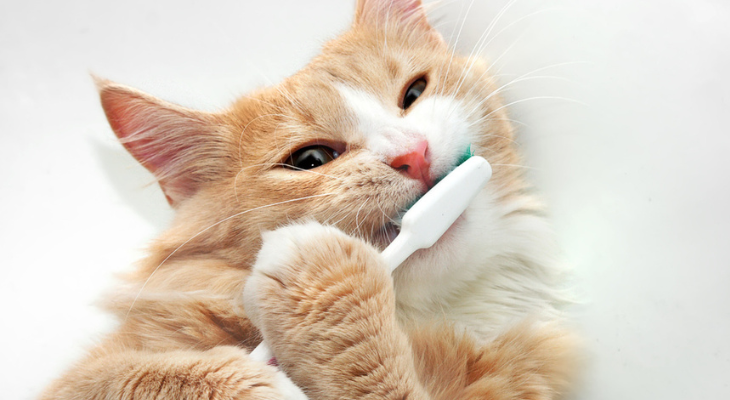
Cat fights gingivitis

Bad Breath May Mean Your Pet Has a Dental Problem

Overwhelmed by your pet's bad breath? If you flinch every time your pet nuzzles against your face, it may be time to make an appointment with the veterinarian. Stinky breath can be a sign of a tooth or gum problem that requires prompt dental care.

Why Your Pet's Breath Smells Bad

Plaque and tartar build-up is a common cause of bad breath in people and pets. Clear, sticky plaque constantly coats your dog or cat's teeth with a layer of smelly bacteria. If plaque remains on the teeth for more than a few days, it turns into tartar, a hard brown or gray deposit that's visible on the teeth.

You'll usually see tartar between teeth and at the bottom of the teeth next to the gums. Plaque continues to form on top of the tartar, inflaming and irritating your pet's gums.

Tartar increases your pet's risk of developing periodontal (gum) disease. In addition to causing bad breath, the disease can lead to gum damage, infections, and tooth loss. Although any pet can suffer from gum disease, it's more common in smaller dogs with crooked or crowded teeth and may cause them to lose teeth prematurely. The American Kennel Club notes that toy breeds may only have half of their teeth by age 12 due to dental issues.

Bad breath may be a problem if a piece of food or a non-edible object become stuck between your pet's teeth. As the trapped food decays, you'll notice an unpleasant smell. Bacteria builds up on anything that becomes trapped between the teeth, whether it's food or a string from a toy.

Cancerous tumors in the mouth are another source of bad breath. Tissues in the tumor may become infected and die, causing unpleasant breath odor, according to PetMD.

Other causes of bad breath include:

  • Eating Something Smelly
  • Bacterial Imbalances Caused by Nutritional Deficiencies
  • Liver, Respiratory or Kidney Disease
  • Diabetes
  • Mouth Injuries

Signs It's Time to See the Veterinarian

In addition to frequent bad breath, other signs of a dental issue, include:

  • Yellow or Brownish Build-Up on Teeth
  • Swollen, Red Gums
  • Bleeding from the Mouth (You may see blood on food or on toys.)
  • Chewing on One Side of the Mouth or Dropping Food When Chewing
  • Lack of Interest in Eating
  • Pawing at the Mouth
  • Slow Chewing
  • Drooling
  • Weight Loss

Dental problems can be painful. Pets suffering from periodontal disease or other issues may not liked to be touched around the mouth.

A Visit to the Veterinarian Will Help Improve Your Pet's Dental Health

If plaque and tartar build-up are the problem, a thorough dental cleaning at the veterinary office will improve your cat or dog's breath. Pets usually receive anesthesia during cleanings, as they're often unwilling participants when it comes to dental work. Yearly cleanings are recommended for most pets, but some may need more frequent professional cleanings.

If your pet has periodontal disease, its gums may begin to pull away from the teeth, forming deep pockets around the teeth. Debris and bacteria collect in the pockets, which only worsens your pet's breath.

Dogs and cats with gum pockets will need a special deep dental cleaning to removes plaque, tartar, and bacteria above and below the gum line. Antibiotics may also be needed to treat bacterial infections. Although your veterinarian will do everything possible to save your pet's teeth, sometimes extraction (removal) is the only option if periodontal disease is severe.

Your pet may need surgery if a tumor is the reason for the bad breath. Tumors can benign (non-cancerous) or cancerous. If your pet has a cancerous tumor, radiation or chemotherapy may also be recommended, depending on the type and stage of the cancer.

How You Can Prevent Bad Breath

Cleaning your pet's teeth every day removes plaque and prevents bad breath. Start the process slowly by cleaning your furry friend's teeth with a moistened washcloth or piece of gauze.

You may only be able to clean a few teeth at a time at first. As your pet gets used to teeth cleaning, you may be able to clean more and more teeth in one sitting. Eventually, your pet may let you use a finger brush or pet-sized toothbrush with toothpaste. Use a rice-sized portion of pet toothpaste or gel whether you brush or wipe your cat or dog's teeth.

Concerned about your pet's bad breath? Call our office to schedule an appointment.

Sources:

American Kennel Club: Do Small Dogs Have More Dental Problems Than Large Dogs?, 7/13/2021

American Kennel Club: How to Get Rid of Stinky Dog Breath, 7/8/2021

PetMD: Bad Breath in Pets: Causes and Treatments

American Veterinary Medical Association: Pet Dental Care

  • Pet Health
    • Chronic Conditions
    • Digestive and Oral Health
    • Diseases and Viruses
    • Pests and Parasites
    • Orthopedics
  • Today's Veterinarian
  • Choosing Your Pet
    • Finding Your Pet
    • Cats
    • Dogs
    • Exotics
      • Amphibians
      • Birds
      • Reptiles
        • Lizards
        • Turtles
    • Small Mammals
      • Ferrets
      • Rabbits
      • Domesticated Animals
        • Prairie Dogs
      • Pocket Pets
        • Chinchillas
        • Guinea Pigs
        • Hamsters
        • Hedgehogs
        • Rats
    • Livestock
      • Cows
      • Donkeys, Horses & Mules
      • Goats
      • Pigs
      • Poultry
      • Sheep
  • Living With Your Pet
    • Bringing Your Pet Home
    • Children and Pets
    • Providing Care
    • Travel
    • Saying Goodbye
  • Newsletter Library
    • Cats
    • Tips for Pet Owners
    • Behavior & Training
    • Fleas & Parasites
    • Keeping Pets Healthy
    • Recognizing Illness
    • Nutrition & Food
    • Pet Dangers
    • Seasonal Topics
    • Visiting the Vet
    • Equine
    • Newsletter Archive
      • Fun with Pets
      • Unbelievable Pets
  • Video Newsroom
    • Health Topics
    • Technology and Science
    • Other Interests
  • Newsletter Library
  • Client Survey
  • Pets4Kids

Free Heartworm Test With Proheart Injection

Complete Form Below For Details

Error!

    Featured Links

    Click to find out more

    • Online Forms

      Our patient forms are available online so they can be completed in the convenience of your own home or office.
    • Wellness Pricing

      Pricing for our most Common requested services.
    • Make An Appointment

      We will do our best to accommodate your busy schedule. Schedule an appointment today!

    Office Hours

    Our Regular Schedule

    Monday:

    7:30 am

    5:30 pm

    Walk-Ins & Urgent Care 8 am - 4 pm

    Tuesday:

    7:30 am

    5:30 pm

    Walk-Ins & Urgent Care 8 am - 4 pm

    Wednesday:

    7:30 am

    5:30 pm

    Walk-Ins & Urgent Care 8 am - 4 pm

    Thursday:

    7:30 am

    5:30 pm

    Walk-Ins & Urgent Care 8 am - 4 pm

    Friday:

    7:30 am

    5:30 pm

    Walk-Ins & Urgent Care 8 am - 4 pm

    Saturday:

    Closed

    Closed

    Sunday:

    Closed

    Closed

    Location

    Find us on the map

    Featured Articles

    Read about interesting topics

    • March Newsletter: How to Keep Your Cat Safe When Outdoors

      Wondering how your cat can safely spend time outdoors? ...

      Read More
    • March Newsletter: How to Choose Safe Blankets for Pets

      Do you know how to pick a safe blanket for your pet? ...

      Read More
    • February Newsletter: How to Reduce Dental Anxiety in Pets

      Does your pet hate toothbrushing? These tips could reduce dental anxiety. ...

      Read More
    • February Newsletter: How to Safely Change Your Cat’s Food

      Buying a new food for your cat? Find out how to switch foods safely. ...

      Read More
    • January Newsletter: Signs Your Pet Needs a Wellness Exam

      Does your pet need a wellness exam? ...

      Read More
    • January Newsletter: How Your Veterinarian Can Help If Your Pet Ingests Something Toxic

      Has your pet eaten something it shouldn't have? Find out how your vet can help. ...

      Read More
    • December Newsletter: Signs Your Pet Needs a Professional Cleaning

      Do you know when your pet needs a professional cleaning? ...

      Read More
    • December Newsletter: Simple Ways to Keep Your Home Flea-Free for Your Pet’s Well-being

      Never want to see another flea again? Try these tips for a flea-free home. ...

      Read More
    • November Newsletter: The Importance of Bloodwork for Your Pet’s Health

      Wondering if your pet really needs bloodwork? Find out the benefits of blood tests for your furry friend. ...

      Read More
    • November Newsletter: Turkey Day Tips for Pet Owners

      Don't forget about your pet when making Turkey Day preparations. ...

      Read More

    NEWSLETTER SIGNUP

    Sign up for more articles

    Error!

      Connect With Us

      • Copyright © 2026 MH Sub I, LLC dba iMatrix.
      • Admin Log In
      • Site Map