Would you like to switch to the accessible version of this site?

Go to accessible site Close modal window

Don't need the accessible version of this site?

Hide the accessibility button Close modal window
Accessibility View Close toolbar
Premier VetCare

Connect With Us

13197 Old Nashville Hwy

Smyrna, TN 37167 US

615-459-0802

Open mobile navigation
  • Home
  • Online Forms
    • Client Registration
    • Pet Registration
    • Puppy Wellness Check-In
    • Kitten Wellness Check-In
    • Adult Wellness Check-In
    • Senior Wellness Check-In
    • Surgical Check-In Forms
    • Feline Low Cost Spay & Neuter Registration
    • Glucose Curve
  • New Patient & Policy Center
    • Premier Referral Rewards
    • Virtual Office Tour
    • Payment Options
    • What to Expect
    • Medical Records Request
    • Prescription Policy
    • Exam Booking Fees
    • Urgent Care & Walk-Ins
    • Driver License Policy
    • Nail Trim Policy
  • About Us
    • Services
    • Meet Our Veterinarians
  • Premier Pets
    • What Are Premier Pets?
    • Canine Low Cost Spay & Neuter
    • Feline Low Cost Spay & Neuter
    • Dental Health Clinic
    • PET CARE BASICS
    • Senior Pet Wellness
    • ProHeart
  • Shop Online
    • Premier Recommendations
  • Schedule Appointment
  • Boarding & Grooming
  • Veterinary Topics
    • Pet Health
      • Chronic Conditions
      • Digestive and Oral Health
      • Diseases and Viruses
      • Pests and Parasites
      • Orthopedics
    • Today's Veterinarian
    • Choosing Your Pet
      • Finding Your Pet
      • Cats
      • Dogs
      • Exotics
        • Amphibians
        • Birds
        • Reptiles
          • Lizards
          • Turtles
      • Small Mammals
        • Ferrets
        • Rabbits
        • Domesticated Animals
          • Prairie Dogs
        • Pocket Pets
          • Chinchillas
          • Guinea Pigs
          • Hamsters
          • Hedgehogs
          • Rats
      • Livestock
        • Cows
        • Donkeys, Horses & Mules
        • Goats
        • Pigs
        • Poultry
        • Sheep
    • Living With Your Pet
      • Bringing Your Pet Home
      • Children and Pets
      • Providing Care
      • Travel
      • Saying Goodbye
    • Newsletter Library
      • Cats
      • Tips for Pet Owners
      • Behavior & Training
      • Fleas & Parasites
      • Keeping Pets Healthy
      • Recognizing Illness
      • Nutrition & Food
      • Pet Dangers
      • Seasonal Topics
      • Visiting the Vet
      • Equine
      • Newsletter Archive
        • Fun with Pets
        • Unbelievable Pets
    • Video Newsroom
      • Health Topics
      • Technology and Science
      • Other Interests
    • Newsletter Library
    • Client Survey
    • Pets4Kids
  • Contact Us
  • Employment Opportunities
  • Home >
  • Articles >
  • Newsletter Library >
  • What You Can Do to Protect Your Dog from Worms

What You Can Do to Protect Your Dog from Worms

  • Created in Newsletter Library

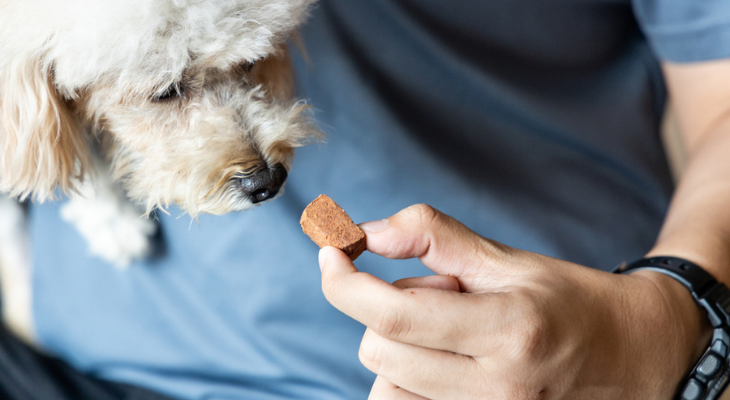
Dog getting heartworm medication

What Causes Worms in Dogs and How Can You Prevent It?

Worms can make your dog miserable and even lead to death in some cases. Fortunately, your veterinarian offers treatments that will help you keep your dog worm-free. In addition to scheduling regular visits with the veterinarian, you may want to take a few steps to reduce your pet's risk of getting these five common types of worms.

Roundworms, Hookworms, and Whipworms

Roundworms can grow 5" long and look like pieces of cooked spaghetti. Hookworms are only about 1/8" in length, and whipworms are 1/4" long. Roundworms and whipworms make their home in your dog's intestinal tract and survive on partially digested food, while hookworms drink your pet's blood. According to the American Kennel Club, almost all dogs will be infected with roundworms at some point in their lives, although most dogs get the worms when they're puppies.

  • How Your Dog Gets Roundworms and Hookworms: The worms and their eggs can be found in an infected animal's feces (poop). Dogs can pick up the worms by sniffing or eating feces, coming in contact with contaminated soil, or eating an animal infected with worms. Worms can also be transmitted from your dog's mother during birth or while nursing.
  • Roundworm, Hookworm, and Whipworm Treatment: If worms or their eggs are found in your dog's feces, your pet's veterinarian will prescribe deworming medication that kills the worms.

Tapeworms

Flat, white tapeworms attach themselves to the walls of your pet's intestines and can grow nearly a foot long.

  • How Your Dog Gets Tapeworms: Tapeworms find their way into your pet's body when your dog swallows a flea infected with tapeworm larvae or eats an infected animal.
  • Tapeworm Treatment: An oral or injectable medication prescribed by your veterinarian kills and dissolves tapeworms.

Heartworms

Heartworms can be as long as 12" and also look like pieces of cooked spaghetti. These worms make their way to your pet's heart and lungs, where they can cause severe damage to the organs.

  • How Your Dog Gets Heartworms: Infected mosquitoes inject heartworm larvae into your pet's bloodstream.
  • Heartworm Treatment: The medication kills both immature and mature heartworms, but the treatment can take months and may be difficult to tolerate for sick animals. Although the medication is effective, damage from the worms could cause chronic health problems and shorten your dog's lifespan. Fortunately, monthly heartworm preventive medication can reduce your pet's risk of developing heartworms. If your dog has many worms, surgery may be needed to remove them.

Signs and Symptoms That Mean That Your Pet Has Worms

Worms can cause a variety of symptoms, depending on the type, including:

  • Weight loss
  • Change in appetite
  • Diarrhea (may be bloody or watery)
  • Vomiting
  • Dark urine
  • Dehydration
  • Dull coat
  • Distended chest
  • Worms in the feces or hair surrounding the anus
  • Fatigue
  • Pale gums
  • Weakness
  • Difficulty breathing
  • Potbelly (often seen in puppies with worms)

Your pet may also scoot its rear end along the floor if it has worms.

Ways You Can Prevent Worm Infections

Keeping your pet safe from worms can be as easy as:

  • Visiting the Veterinarian. Your dog's veterinarian also offers effective treatment for infections that occur at any time in your pet's life. Deworming treatment is routinely offered to puppies and older dogs that develop worms. During annual exams, your pet's stool will be examined for signs of eggs or worms.
  • Taking Preventative Medication. All dogs should take monthly medication that prevents heartworms. Depending on the type, heartworm medication may also protect your dog from roundworms, whipworms, tapeworms, and hookworms.
  • Picking Up Poop Promptly. Picking up after your dog will ensure that other animals and people aren't infected with worms. People who come in contact with animal feces and contaminated soil can develop roundworms and hookworms. Washing your hands after handling feces or soil will help you lower your risk.
  • Bathing Your Dirty Dog. Your pet may pick up a few eggs after rolling around in the dirt. If your pet happens to swallow the eggs when licking its hair, it could soon be infected with worms. Fortunately, a bath will wash away the eggs before they can cause problems.
  • Using Flea Control Products. Applying topical flea products year-round helps your pet avoid tapeworm infections.
  • Removing Your Shoes. You may unwittingly bring worm eggs into your home on the bottoms of your shoes. Taking off your shoes when you enter your home will prevent you from spreading the eggs.

Are you concerned that your dog may have worms? Get in touch with us to schedule an appointment.

Sources:

Kansas State University Veterinary Health Center: Common Intestinal Parasites in Cats and Dogs

American Kennel Club: Roundworm in Dogs: Symptoms, Treatment and Prevention, 11/26/15

Petfinder: What Causes Worms in Dogs?

Pet WebMD: Worms in Dogs

  • Pet Health
    • Chronic Conditions
    • Digestive and Oral Health
    • Diseases and Viruses
    • Pests and Parasites
    • Orthopedics
  • Today's Veterinarian
  • Choosing Your Pet
    • Finding Your Pet
    • Cats
    • Dogs
    • Exotics
      • Amphibians
      • Birds
      • Reptiles
        • Lizards
        • Turtles
    • Small Mammals
      • Ferrets
      • Rabbits
      • Domesticated Animals
        • Prairie Dogs
      • Pocket Pets
        • Chinchillas
        • Guinea Pigs
        • Hamsters
        • Hedgehogs
        • Rats
    • Livestock
      • Cows
      • Donkeys, Horses & Mules
      • Goats
      • Pigs
      • Poultry
      • Sheep
  • Living With Your Pet
    • Bringing Your Pet Home
    • Children and Pets
    • Providing Care
    • Travel
    • Saying Goodbye
  • Newsletter Library
    • Cats
    • Tips for Pet Owners
    • Behavior & Training
    • Fleas & Parasites
    • Keeping Pets Healthy
    • Recognizing Illness
    • Nutrition & Food
    • Pet Dangers
    • Seasonal Topics
    • Visiting the Vet
    • Equine
    • Newsletter Archive
      • Fun with Pets
      • Unbelievable Pets
  • Video Newsroom
    • Health Topics
    • Technology and Science
    • Other Interests
  • Newsletter Library
  • Client Survey
  • Pets4Kids

Free Heartworm Test With Proheart Injection

Complete Form Below For Details

Error!

    Featured Links

    Click to find out more

    • Online Forms

      Our patient forms are available online so they can be completed in the convenience of your own home or office.
    • Wellness Pricing

      Pricing for our most Common requested services.
    • Make An Appointment

      We will do our best to accommodate your busy schedule. Schedule an appointment today!

    Office Hours

    Our Regular Schedule

    Monday:

    7:30 am

    5:30 pm

    Walk-Ins & Urgent Care 8 am - 4 pm

    Tuesday:

    7:30 am

    5:30 pm

    Walk-Ins & Urgent Care 8 am - 4 pm

    Wednesday:

    7:30 am

    5:30 pm

    Walk-Ins & Urgent Care 8 am - 4 pm

    Thursday:

    7:30 am

    5:30 pm

    Walk-Ins & Urgent Care 8 am - 4 pm

    Friday:

    7:30 am

    5:30 pm

    Walk-Ins & Urgent Care 8 am - 4 pm

    Saturday:

    Closed

    Closed

    Sunday:

    Closed

    Closed

    Location

    Find us on the map

    Featured Articles

    Read about interesting topics

    • March Newsletter: How to Keep Your Cat Safe When Outdoors

      Wondering how your cat can safely spend time outdoors? ...

      Read More
    • March Newsletter: How to Choose Safe Blankets for Pets

      Do you know how to pick a safe blanket for your pet? ...

      Read More
    • February Newsletter: How to Reduce Dental Anxiety in Pets

      Does your pet hate toothbrushing? These tips could reduce dental anxiety. ...

      Read More
    • February Newsletter: How to Safely Change Your Cat’s Food

      Buying a new food for your cat? Find out how to switch foods safely. ...

      Read More
    • January Newsletter: Signs Your Pet Needs a Wellness Exam

      Does your pet need a wellness exam? ...

      Read More
    • January Newsletter: How Your Veterinarian Can Help If Your Pet Ingests Something Toxic

      Has your pet eaten something it shouldn't have? Find out how your vet can help. ...

      Read More
    • December Newsletter: Signs Your Pet Needs a Professional Cleaning

      Do you know when your pet needs a professional cleaning? ...

      Read More
    • December Newsletter: Simple Ways to Keep Your Home Flea-Free for Your Pet’s Well-being

      Never want to see another flea again? Try these tips for a flea-free home. ...

      Read More
    • November Newsletter: The Importance of Bloodwork for Your Pet’s Health

      Wondering if your pet really needs bloodwork? Find out the benefits of blood tests for your furry friend. ...

      Read More
    • November Newsletter: Turkey Day Tips for Pet Owners

      Don't forget about your pet when making Turkey Day preparations. ...

      Read More

    NEWSLETTER SIGNUP

    Sign up for more articles

    Error!

      Connect With Us

      • Copyright © 2026 MH Sub I, LLC dba iMatrix.
      • Admin Log In
      • Site Map