Would you like to switch to the accessible version of this site?

Go to accessible site Close modal window

Don't need the accessible version of this site?

Hide the accessibility button Close modal window
Accessibility View Close toolbar
Premier VetCare

Connect With Us

13197 Old Nashville Hwy

Smyrna, TN 37167 US

615-459-0802

Open mobile navigation
  • Home
  • Online Forms
    • Client Registration
    • Pet Registration
    • Puppy Wellness Check-In
    • Kitten Wellness Check-In
    • Adult Wellness Check-In
    • Senior Wellness Check-In
    • Surgical Check-In Forms
    • Feline Low Cost Spay & Neuter Registration
    • Glucose Curve
  • New Patient & Policy Center
    • Premier Referral Rewards
    • Virtual Office Tour
    • Payment Options
    • What to Expect
    • Medical Records Request
    • Prescription Policy
    • Exam Booking Fees
    • Urgent Care & Walk-Ins
    • Driver License Policy
    • Nail Trim Policy
  • About Us
    • Services
    • Meet Our Veterinarians
  • Premier Pets
    • What Are Premier Pets?
    • Canine Low Cost Spay & Neuter
    • Feline Low Cost Spay & Neuter
    • Dental Health Clinic
    • PET CARE BASICS
    • Senior Pet Wellness
    • ProHeart
  • Shop Online
    • Premier Recommendations
  • Schedule Appointment
  • Boarding & Grooming
  • Veterinary Topics
    • Pet Health
      • Chronic Conditions
      • Digestive and Oral Health
      • Diseases and Viruses
      • Pests and Parasites
      • Orthopedics
    • Today's Veterinarian
    • Choosing Your Pet
      • Finding Your Pet
      • Cats
      • Dogs
      • Exotics
        • Amphibians
        • Birds
        • Reptiles
          • Lizards
          • Turtles
      • Small Mammals
        • Ferrets
        • Rabbits
        • Domesticated Animals
          • Prairie Dogs
        • Pocket Pets
          • Chinchillas
          • Guinea Pigs
          • Hamsters
          • Hedgehogs
          • Rats
      • Livestock
        • Cows
        • Donkeys, Horses & Mules
        • Goats
        • Pigs
        • Poultry
        • Sheep
    • Living With Your Pet
      • Bringing Your Pet Home
      • Children and Pets
      • Providing Care
      • Travel
      • Saying Goodbye
    • Newsletter Library
      • Cats
      • Tips for Pet Owners
      • Behavior & Training
      • Fleas & Parasites
      • Keeping Pets Healthy
      • Recognizing Illness
      • Nutrition & Food
      • Pet Dangers
      • Seasonal Topics
      • Visiting the Vet
      • Equine
      • Newsletter Archive
        • Fun with Pets
        • Unbelievable Pets
    • Video Newsroom
      • Health Topics
      • Technology and Science
      • Other Interests
    • Newsletter Library
    • Client Survey
    • Pets4Kids
  • Contact Us
  • Employment Opportunities
  • Home >
  • Articles >
  • Newsletter Library >
  • How to Make Your Rescue Pet Feel Comfortable in Your Home

How to Make Your Rescue Pet Feel Comfortable in Your Home

  • Created in Newsletter Library

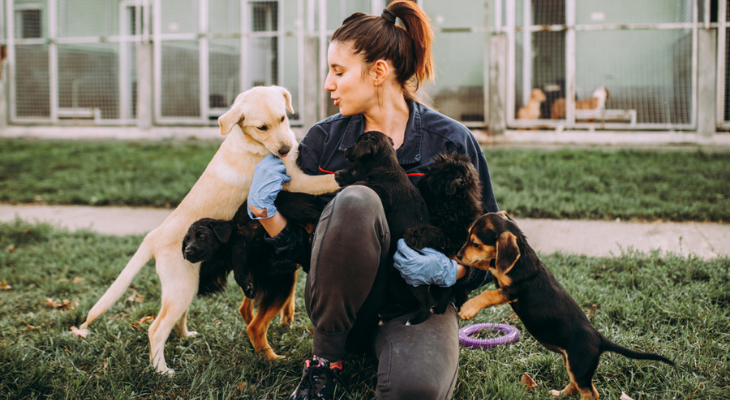
Woman working at a dog shelter

Help Your Rescue Pet Adjust to Its New Home During Adopt a Dog Month

Do you plan to add a furry friend to your family soon? Adjusting to a new home can be a little overwhelming for rescue pets, even though they're sure to enjoy all the love and affection you give them. These tips can make your new pet's first weeks at home much easier.

Stock Up on Essential Supplies

Make sure you have everything your pet will need before you bring it home from the shelter or rescue group. Must-have items include:

  • A Collar. Tighter isn't better when it comes to collars. A collar fits comfortably if you can fit two fingers under it.
  • Leash. Buy one or two standard 6' leashes (not retractable) for your new pet. Harnesses are a safer option for small dogs.
  • Identification Tag. Even if your pet is microchipped, it's a good idea to add an ID tag to its collar.
  • Dishes and Bowls. Purchase stainless steel or glass food and water bowls. (Plastic bowls can trap odors and bacteria.)
  • Bed. Your new dog will need a comfy place to sleep. Choose a bed that's big enough for your pet to stretch out on.
  • Toys. Every dog needs a few toys to keep it busy and engaged. The Humane Society of the United States recommends avoiding toys that are small enough to swallow.
  • Crate. A crate serves as your dog's den and can help an overwhelmed dog feel a little more secure in a new home. Make sure the crate is big enough to allow your dog to turn around.
  • Pooper Scooper and Bags. Feeling dog poop squish under your shoes is never a pleasant experience. Whether your pet will be relieving itself in your backyard or during walks around the neighborhood, you'll need a scooper and plenty of bags.

Wait to Change Your Dog's Food

Sudden dietary changes can cause upset stomachs and diarrhea. It's best to stick to the food the shelter or rescue group used for the first few weeks your pet is in your home. After that, add a small amount of the new food with every meal, gradually increasing the new food and decreasing the old.

Postpone Name Changes Too

How would you react if the people at a new place insisted on calling you Muffin when your name was Sterling? Trying to introduce a new name while your pet is still getting used to its new home can make the adjustment process more difficult. Chances are you'll get used to the name, even if it's not your favorite. If you still want to change the pet's name, wait a few weeks, then begin calling it Muffin Sterling, eventually dropping Sterling.

Introduce New People Slowly

It's only natural to want to introduce your new pet to your friends and neighbors. Unfortunately, meeting many new people at once can be overwhelming, particularly for a timid or fearful dog. Wait until your pet gets used to your family members before inviting other people over. Introduce one or two people at a time, if you can. Don't host any large gatherings at your home in the first few weeks after your dog comes home.

Don't Rush Pet Introductions

You never know how your new pet and your current pet will react to each other the first time they meet. It's best to keep both pets on leashes or behind gates during the first meeting.

Give Your Pet a Tour

Show your new pet the location of food and water dishes and their bed. If you want your dog to use a corner of your yard as its toilet, show your pet the preferred area. Once your dog relieves itself in the correct spot, offer a treat.

Be Patient

A few things are bound to go wrong during your pet's first days or weeks at home. Housetraining accidents, chewing, and other behavioral problems may occur as your dog learns a new routine and expectations. A patient and understanding attitude will help your pet adjust to new routines and expectations.

Take Your Pet to the Veterinarian

Your pet's vet will give your new dog a clean bill of health and offer vaccines that will prevent diseases that could sicken or kill your pet. The veterinarian will also discuss spaying or neutering your dog to prevent an unwanted litter.

Do you plan to bring a new dog home during Adopt a Dog Month in October? Contact our office to schedule your dog's first appointment with the veterinarian.

Sources:

American Kennel Club: How to Help an Adult Dog Adjust to a New Home, 6/29/21

Petfinder: Tips for the First 30 Days of Dog Adoption

Humane Society of the United States: How to Make Your New Dog Feel Comfortable in Your Home

  • Pet Health
    • Chronic Conditions
    • Digestive and Oral Health
    • Diseases and Viruses
    • Pests and Parasites
    • Orthopedics
  • Today's Veterinarian
  • Choosing Your Pet
    • Finding Your Pet
    • Cats
    • Dogs
    • Exotics
      • Amphibians
      • Birds
      • Reptiles
        • Lizards
        • Turtles
    • Small Mammals
      • Ferrets
      • Rabbits
      • Domesticated Animals
        • Prairie Dogs
      • Pocket Pets
        • Chinchillas
        • Guinea Pigs
        • Hamsters
        • Hedgehogs
        • Rats
    • Livestock
      • Cows
      • Donkeys, Horses & Mules
      • Goats
      • Pigs
      • Poultry
      • Sheep
  • Living With Your Pet
    • Bringing Your Pet Home
    • Children and Pets
    • Providing Care
    • Travel
    • Saying Goodbye
  • Newsletter Library
    • Cats
    • Tips for Pet Owners
    • Behavior & Training
    • Fleas & Parasites
    • Keeping Pets Healthy
    • Recognizing Illness
    • Nutrition & Food
    • Pet Dangers
    • Seasonal Topics
    • Visiting the Vet
    • Equine
    • Newsletter Archive
      • Fun with Pets
      • Unbelievable Pets
  • Video Newsroom
    • Health Topics
    • Technology and Science
    • Other Interests
  • Newsletter Library
  • Client Survey
  • Pets4Kids

Free Heartworm Test With Proheart Injection

Complete Form Below For Details

Error!

    Featured Links

    Click to find out more

    • Online Forms

      Our patient forms are available online so they can be completed in the convenience of your own home or office.
    • Wellness Pricing

      Pricing for our most Common requested services.
    • Make An Appointment

      We will do our best to accommodate your busy schedule. Schedule an appointment today!

    Office Hours

    Our Regular Schedule

    Monday:

    7:30 am

    5:30 pm

    Walk-Ins & Urgent Care 8 am - 4 pm

    Tuesday:

    7:30 am

    5:30 pm

    Walk-Ins & Urgent Care 8 am - 4 pm

    Wednesday:

    7:30 am

    5:30 pm

    Walk-Ins & Urgent Care 8 am - 4 pm

    Thursday:

    7:30 am

    5:30 pm

    Walk-Ins & Urgent Care 8 am - 4 pm

    Friday:

    7:30 am

    5:30 pm

    Walk-Ins & Urgent Care 8 am - 4 pm

    Saturday:

    Closed

    Closed

    Sunday:

    Closed

    Closed

    Location

    Find us on the map

    Featured Articles

    Read about interesting topics

    • March Newsletter: How to Keep Your Cat Safe When Outdoors

      Wondering how your cat can safely spend time outdoors? ...

      Read More
    • March Newsletter: How to Choose Safe Blankets for Pets

      Do you know how to pick a safe blanket for your pet? ...

      Read More
    • February Newsletter: How to Reduce Dental Anxiety in Pets

      Does your pet hate toothbrushing? These tips could reduce dental anxiety. ...

      Read More
    • February Newsletter: How to Safely Change Your Cat’s Food

      Buying a new food for your cat? Find out how to switch foods safely. ...

      Read More
    • January Newsletter: Signs Your Pet Needs a Wellness Exam

      Does your pet need a wellness exam? ...

      Read More
    • January Newsletter: How Your Veterinarian Can Help If Your Pet Ingests Something Toxic

      Has your pet eaten something it shouldn't have? Find out how your vet can help. ...

      Read More
    • December Newsletter: Signs Your Pet Needs a Professional Cleaning

      Do you know when your pet needs a professional cleaning? ...

      Read More
    • December Newsletter: Simple Ways to Keep Your Home Flea-Free for Your Pet’s Well-being

      Never want to see another flea again? Try these tips for a flea-free home. ...

      Read More
    • November Newsletter: The Importance of Bloodwork for Your Pet’s Health

      Wondering if your pet really needs bloodwork? Find out the benefits of blood tests for your furry friend. ...

      Read More
    • November Newsletter: Turkey Day Tips for Pet Owners

      Don't forget about your pet when making Turkey Day preparations. ...

      Read More

    NEWSLETTER SIGNUP

    Sign up for more articles

    Error!

      Connect With Us

      • Copyright © 2026 MH Sub I, LLC dba iMatrix.
      • Admin Log In
      • Site Map