Would you like to switch to the accessible version of this site?

Go to accessible site Close modal window

Don't need the accessible version of this site?

Hide the accessibility button Close modal window
Accessibility View Close toolbar
Premier VetCare

Connect With Us

13197 Old Nashville Hwy

Smyrna, TN 37167 US

615-459-0802

Open mobile navigation
  • Home
  • Online Forms
    • Client Registration
    • Pet Registration
    • Puppy Wellness Check-In
    • Kitten Wellness Check-In
    • Adult Wellness Check-In
    • Senior Wellness Check-In
    • Surgical Check-In Forms
    • Feline Low Cost Spay & Neuter Registration
    • Glucose Curve
  • New Patient & Policy Center
    • Premier Referral Rewards
    • Virtual Office Tour
    • Payment Options
    • What to Expect
    • Medical Records Request
    • Prescription Policy
    • Exam Booking Fees
    • Urgent Care & Walk-Ins
    • Driver License Policy
    • Nail Trim Policy
  • About Us
    • Services
    • Meet Our Veterinarians
  • Premier Pets
    • What Are Premier Pets?
    • Canine Low Cost Spay & Neuter
    • Feline Low Cost Spay & Neuter
    • Dental Health Clinic
    • PET CARE BASICS
    • Senior Pet Wellness
    • ProHeart
  • Shop Online
    • Premier Recommendations
  • Schedule Appointment
  • Boarding & Grooming
  • Veterinary Topics
    • Pet Health
      • Chronic Conditions
      • Digestive and Oral Health
      • Diseases and Viruses
      • Pests and Parasites
      • Orthopedics
    • Today's Veterinarian
    • Choosing Your Pet
      • Finding Your Pet
      • Cats
      • Dogs
      • Exotics
        • Amphibians
        • Birds
        • Reptiles
          • Lizards
          • Turtles
      • Small Mammals
        • Ferrets
        • Rabbits
        • Domesticated Animals
          • Prairie Dogs
        • Pocket Pets
          • Chinchillas
          • Guinea Pigs
          • Hamsters
          • Hedgehogs
          • Rats
      • Livestock
        • Cows
        • Donkeys, Horses & Mules
        • Goats
        • Pigs
        • Poultry
        • Sheep
    • Living With Your Pet
      • Bringing Your Pet Home
      • Children and Pets
      • Providing Care
      • Travel
      • Saying Goodbye
    • Newsletter Library
      • Cats
      • Tips for Pet Owners
      • Behavior & Training
      • Fleas & Parasites
      • Keeping Pets Healthy
      • Recognizing Illness
      • Nutrition & Food
      • Pet Dangers
      • Seasonal Topics
      • Visiting the Vet
      • Equine
      • Newsletter Archive
        • Fun with Pets
        • Unbelievable Pets
    • Video Newsroom
      • Health Topics
      • Technology and Science
      • Other Interests
    • Newsletter Library
    • Client Survey
    • Pets4Kids
  • Contact Us
  • Employment Opportunities
  • Home >
  • Articles >
  • Newsletter Library >
  • Nutrition & Food >
  • What is Taurine and Why do Cats Need It?

What is Taurine and Why do Cats Need It?

  • Created in Newsletter Library, Nutrition & Food
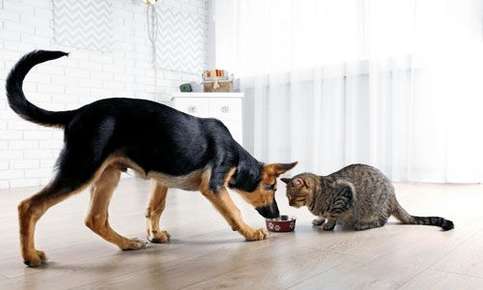
cat and dog

Taurine: The Amino Acid Essential to Your Cat's Health

If you've ever taken a close look at the small print on a bag or can of cat food, you've probably noticed that taurine is among the list of ingredients. Taurine is an amino acid that helps keep your pet healthy and prevents a variety of serious health problems.

What Do Amino Acids Do?

Amino acids help the body's cells create proteins needed for the proper functioning of every part of the human and feline body. The acids aid in the metabolic process and play an important role in the transportation and storage of nutrients.

Although many amino acids are produced by the body, some can only be obtained through food. Amino acids that must be obtained through diet alone are known as "essential" amino acids. Although people and dogs can synthesize taurine from other amino acids, cats cannot. If they don't receive enough of this essential amino acid in their food, their health will eventually begin to decline.

How Are Cats Affected If They Don't Receive Enough Taurine?

A taurine deficiency can cause many problems in cats, including:

  • Dilated Cardiomyopathy. The condition causes the heart to enlarge, affecting its ability to pump blood effectively. Cats affected by dilated cardiomyopathy may also develop congestive heart failure as a result of pumping issues.
  • Blindness. A taurine deficiency can cause degeneration of photoreceptor cells in the retina. Unfortunately, once these cells are lost, they can't be replaced.
  • Tooth Decay. Taurine helps your cat's teeth stay strong and healthy. When it's in short supply, cavities are more likely to occur.
  • Reproductive Issues. Cats that don't receive enough taurine may be unable to have kittens.
  • Developmental Concerns. Kittens born to mothers with taurine deficiencies may face growth problems and might be more likely to experience bone fractures.
  • Gastrointestinal Problems: Taurine helps the body produce bile salts needed for fat digestion. Without enough taurine, your pet may develop diarrhea and digestion issues.
  • Hair Loss. Lack of taurine may also affect your furry friend's coat and lead to hair loss.
  • Immune System Disorders. Without enough taurine, your cat's immune system may not function optimally. As a result, your pet might not be able to fight off viruses as easily as healthy cats and may suffer from frequent illnesses.
  • Diabetes. Taurine helps the body regulate blood sugar. Your pet may develop diabetes without sufficient amounts of taurine.
  • Lethargy. Cats affected by the deficiency may appear tired and listless.

In some cases, it may be possible to reverse the effects of a taurine deficiency if your cat is diagnosed in time and begins to receive supplemental taurine. Unfortunately, heart and vision changes aren't reversible.

How Do Taurine Deficiencies Occur?

Eating a diet that doesn't contain taurine is the leading cause of the deficiency. Cats that eat homemade foods or eat a vegetarian or vegan diet are most at risk of developing serious health problems related to a lack of taurine. Although caring pet owners often create special diets in an attempt to help their pets, the diets may actually harm their furry friends.

Taurine supplements will increase your pet's supply of the amino acid, but the supplements may not provide enough taurine to prevent health problems. If you feed your pet a homemade, vegetarian or vegan diet, it's a good idea to share the diet with your pet's veterinarian or a veterinary nutritionist. These professionals can help you tweak the meal plan to ensure that it meets all of your cat's nutritional needs.

Your cat may also be a risk of a taurine deficiency if he or she enjoys sampling your dog's food. Dog food doesn't contain taurine, as dogs can create their own supply of the amino acid. Although your cat may like the taste, a steady diet of dog food is a bad idea. If your cat can't resist chowing down on dog food, feed your dog in a separate room when it's mealtime.

Regular veterinary visits are the key to your pet's good health and help ensure that your cat doesn't suffer the devastating effects of a taurine deficiency. If it's been a while since we've seen your pet, call us to schedule an appointment.

Sources:

PetMD: Taurine Deficiency in Cats

https://www.petmd.com/cat/conditions/cardiovascular/c_ct_taurine_deficiency?page=show

Tufts University, Cummings School of Veterinary Medicine: Feeding the Homemade Diet, 10/17

http://news.vet.tufts.edu/2017/10/feeding-the-homemade-diet/

Texas A&M University: Cat Food for Thought, 12/01/08

http://vetmed.tamu.edu/news/pet-talk/cat-food-for-thought

  • Pet Health
    • Chronic Conditions
    • Digestive and Oral Health
    • Diseases and Viruses
    • Pests and Parasites
    • Orthopedics
  • Today's Veterinarian
  • Choosing Your Pet
    • Finding Your Pet
    • Cats
    • Dogs
    • Exotics
      • Amphibians
      • Birds
      • Reptiles
        • Lizards
        • Turtles
    • Small Mammals
      • Ferrets
      • Rabbits
      • Domesticated Animals
        • Prairie Dogs
      • Pocket Pets
        • Chinchillas
        • Guinea Pigs
        • Hamsters
        • Hedgehogs
        • Rats
    • Livestock
      • Cows
      • Donkeys, Horses & Mules
      • Goats
      • Pigs
      • Poultry
      • Sheep
  • Living With Your Pet
    • Bringing Your Pet Home
    • Children and Pets
    • Providing Care
    • Travel
    • Saying Goodbye
  • Newsletter Library
    • Cats
    • Tips for Pet Owners
    • Behavior & Training
    • Fleas & Parasites
    • Keeping Pets Healthy
    • Recognizing Illness
    • Nutrition & Food
    • Pet Dangers
    • Seasonal Topics
    • Visiting the Vet
    • Equine
    • Newsletter Archive
      • Fun with Pets
      • Unbelievable Pets
  • Video Newsroom
    • Health Topics
    • Technology and Science
    • Other Interests
  • Newsletter Library
  • Client Survey
  • Pets4Kids

Free Heartworm Test With Proheart Injection

Complete Form Below For Details

Error!

    Featured Links

    Click to find out more

    • Online Forms

      Our patient forms are available online so they can be completed in the convenience of your own home or office.
    • Wellness Pricing

      Pricing for our most Common requested services.
    • Make An Appointment

      We will do our best to accommodate your busy schedule. Schedule an appointment today!

    Office Hours

    Our Regular Schedule

    Monday:

    7:30 am

    5:30 pm

    Walk-Ins & Urgent Care 8 am - 4 pm

    Tuesday:

    7:30 am

    5:30 pm

    Walk-Ins & Urgent Care 8 am - 4 pm

    Wednesday:

    7:30 am

    5:30 pm

    Walk-Ins & Urgent Care 8 am - 4 pm

    Thursday:

    7:30 am

    5:30 pm

    Walk-Ins & Urgent Care 8 am - 4 pm

    Friday:

    7:30 am

    5:30 pm

    Walk-Ins & Urgent Care 8 am - 4 pm

    Saturday:

    Closed

    Closed

    Sunday:

    Closed

    Closed

    Location

    Find us on the map

    Featured Articles

    Read about interesting topics

    • March Newsletter: How to Keep Your Cat Safe When Outdoors

      Wondering how your cat can safely spend time outdoors? ...

      Read More
    • March Newsletter: How to Choose Safe Blankets for Pets

      Do you know how to pick a safe blanket for your pet? ...

      Read More
    • February Newsletter: How to Reduce Dental Anxiety in Pets

      Does your pet hate toothbrushing? These tips could reduce dental anxiety. ...

      Read More
    • February Newsletter: How to Safely Change Your Cat’s Food

      Buying a new food for your cat? Find out how to switch foods safely. ...

      Read More
    • January Newsletter: Signs Your Pet Needs a Wellness Exam

      Does your pet need a wellness exam? ...

      Read More
    • January Newsletter: How Your Veterinarian Can Help If Your Pet Ingests Something Toxic

      Has your pet eaten something it shouldn't have? Find out how your vet can help. ...

      Read More
    • December Newsletter: Signs Your Pet Needs a Professional Cleaning

      Do you know when your pet needs a professional cleaning? ...

      Read More
    • December Newsletter: Simple Ways to Keep Your Home Flea-Free for Your Pet’s Well-being

      Never want to see another flea again? Try these tips for a flea-free home. ...

      Read More
    • November Newsletter: The Importance of Bloodwork for Your Pet’s Health

      Wondering if your pet really needs bloodwork? Find out the benefits of blood tests for your furry friend. ...

      Read More
    • November Newsletter: Turkey Day Tips for Pet Owners

      Don't forget about your pet when making Turkey Day preparations. ...

      Read More

    NEWSLETTER SIGNUP

    Sign up for more articles

    Error!

      Connect With Us

      • Copyright © 2026 MH Sub I, LLC dba iMatrix.
      • Admin Log In
      • Site Map