Would you like to switch to the accessible version of this site?

Go to accessible site Close modal window

Don't need the accessible version of this site?

Hide the accessibility button Close modal window
Accessibility View Close toolbar
Premier VetCare

Connect With Us

13197 Old Nashville Hwy

Smyrna, TN 37167 US

615-459-0802

Open mobile navigation
  • Home
  • Online Forms
    • Client Registration
    • Pet Registration
    • Puppy Wellness Check-In
    • Kitten Wellness Check-In
    • Adult Wellness Check-In
    • Senior Wellness Check-In
    • Surgical Check-In Forms
    • Feline Low Cost Spay & Neuter Registration
    • Glucose Curve
  • New Patient & Policy Center
    • Premier Referral Rewards
    • Virtual Office Tour
    • Payment Options
    • What to Expect
    • Medical Records Request
    • Prescription Policy
    • Exam Booking Fees
    • Urgent Care & Walk-Ins
    • Driver License Policy
    • Nail Trim Policy
  • About Us
    • Services
    • Meet Our Veterinarians
  • Premier Pets
    • What Are Premier Pets?
    • Canine Low Cost Spay & Neuter
    • Feline Low Cost Spay & Neuter
    • Dental Health Clinic
    • PET CARE BASICS
    • Senior Pet Wellness
    • ProHeart
  • Shop Online
    • Premier Recommendations
  • Schedule Appointment
  • Boarding & Grooming
  • Veterinary Topics
    • Pet Health
      • Chronic Conditions
      • Digestive and Oral Health
      • Diseases and Viruses
      • Pests and Parasites
      • Orthopedics
    • Today's Veterinarian
    • Choosing Your Pet
      • Finding Your Pet
      • Cats
      • Dogs
      • Exotics
        • Amphibians
        • Birds
        • Reptiles
          • Lizards
          • Turtles
      • Small Mammals
        • Ferrets
        • Rabbits
        • Domesticated Animals
          • Prairie Dogs
        • Pocket Pets
          • Chinchillas
          • Guinea Pigs
          • Hamsters
          • Hedgehogs
          • Rats
      • Livestock
        • Cows
        • Donkeys, Horses & Mules
        • Goats
        • Pigs
        • Poultry
        • Sheep
    • Living With Your Pet
      • Bringing Your Pet Home
      • Children and Pets
      • Providing Care
      • Travel
      • Saying Goodbye
    • Newsletter Library
      • Cats
      • Tips for Pet Owners
      • Behavior & Training
      • Fleas & Parasites
      • Keeping Pets Healthy
      • Recognizing Illness
      • Nutrition & Food
      • Pet Dangers
      • Seasonal Topics
      • Visiting the Vet
      • Equine
      • Newsletter Archive
        • Fun with Pets
        • Unbelievable Pets
    • Video Newsroom
      • Health Topics
      • Technology and Science
      • Other Interests
    • Newsletter Library
    • Client Survey
    • Pets4Kids
  • Contact Us
  • Employment Opportunities
  • Home >
  • Articles >
  • Newsletter Library >
  • Keeping Pets Healthy >
  • Managing Your Pet's Arthritis

Managing Your Pet's Arthritis

  • Created in Newsletter Library, Keeping Pets Healthy
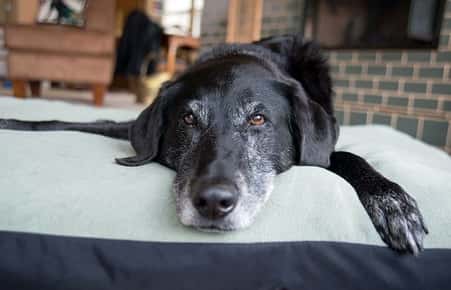
Image of an old dog on a dog bed.

Years of running, jumping and walking take a toll on your pet's joints. When your once energetic cat or dog starts to slows down or appears to be in pain, osteoarthritis may be to blame. The disease wears down the cartilage in the joints, causing bones to rub together painfully. Although there's no way to reverse arthritis, you can do a few things to make your furry friend's life more comfortable.

Arthritis Signs

Arthritis signs are often subtle and can be confused with general behavioral changes associated with aging. Pets may show little interest in playing, even though a rousing game of fetch was once a favorite daily activity. When it hurts to stand up or lie down, it's not surprising that your dog or cat may move as little as possible during the day. Sleeping or resting more may be an indication that your pet suffers from painful, stiff joints.

Other signs of arthritis may include weight gain, limping, poor grooming in cats, reluctance to jump or climb stairs, or licking or biting the skin over a sore joint. Walking and moving requires more energy when your joints don't work as well as they once did. If your pet has arthritis, you may notice that he or she tires faster than usual or isn't eager to join you on your nightly walk.

Because other health conditions may share some of the same signs as arthritis, it's important to receive a diagnosis from your pet's veterinarian before you treat your dog or cat's condition at home.

Try These Tips to Improve Your Pet's Comfort

Adopting these strategies can reduce pain and strain on joints and muscles:

  • Go Soft. Provide soft resting places that offer plenty of cushioning and prevent exposure to cold drafts. Even pets that once enjoyed lying on the hard floor will appreciate a soft bed if they develop arthritis.
  • Buy a Ramp. Ramps of varying sizes can help your dog or cat navigate your home. Install a large ramp over the steps leading into your home to make it easier for your pet to access your yard. Buy smaller ramps and place them next to your pet's favorite chair or your bed (if your pet sleeps with you).
  • Make a Few Changes. Look for ways to make your pet's life easier. If your cat has difficulty climbing into the litter box, buy a box with lower edges or cut out a section of the existing box. Raising eating and drinking dishes can make mealtime easier for some pets with arthritis.
  • Encourage Exercise. Although your pet may be reluctant to exercise, moving can help reduce joint stiffness. You may need to make some adaptations to your pet's usual exercise routine, such as substituting short walks for agility training. Swimming is an excellent source of exercise for dogs because it doesn't stress the joints.
  • Become a Masseuse. Gently massage the muscles surrounding your pet's joints to help relieve pain and stiffness and improve range of motion. If your pet yelps or complains during a massage, use a softer touch or concentrate on a less sensitive area of the body.
  • Help Your Pet Lose Weight. It's harder to exercise when you're in pain. Unfortunately, if your pet doesn't exercise, he or she will gain weight, which can worsen arthritis symptoms. According to a study published in the February 2010 issue of Veterinary Research Communications, a 6 percent or higher weight loss significantly decreased lameness in dogs with osteoarthritis. In addition to exercise, switching to a senior diet may help your pet lose weight.
  • Consider Supplements. Glucosamine and chondroitrin, the same supplements people use, may also be helpful in treating arthritis in pets. Before you give your pet any supplement or over-the-counter medication, consult a veterinarian. Some supplements or medications that are safe for people can harm pets.
  • Talk to Your Pet's Veterinarian. Your pet's veterinarian can provide treatment and advice that will help relieve pain and improve mobility. If your dog or cat seems to be in pain, the vet may prescribe pain relievers and anti-inflammatory medications that can improve your pet's quality of life.

Regular veterinary care and a little extra TLC from you will make your arthritic pet's life easier. Call us today to schedule an appointment for your furry friend.

Sources:

PetMD: Arthritis: How to Recognize and Manage the Condition

http://www.petmd.com/dog/general-health/evr_dg_arthritis_how_to_recognize_and_manage_the_condition?page=show

Veterinary Research Communications: The Effect of Weight Loss on Lameness in Obese Dogs with Osteoarthritis, 2/10

https://www.ncbi.nlm.nih.gov/pmc/articles/PMC2855019/

  • Pet Health
    • Chronic Conditions
    • Digestive and Oral Health
    • Diseases and Viruses
    • Pests and Parasites
    • Orthopedics
  • Today's Veterinarian
  • Choosing Your Pet
    • Finding Your Pet
    • Cats
    • Dogs
    • Exotics
      • Amphibians
      • Birds
      • Reptiles
        • Lizards
        • Turtles
    • Small Mammals
      • Ferrets
      • Rabbits
      • Domesticated Animals
        • Prairie Dogs
      • Pocket Pets
        • Chinchillas
        • Guinea Pigs
        • Hamsters
        • Hedgehogs
        • Rats
    • Livestock
      • Cows
      • Donkeys, Horses & Mules
      • Goats
      • Pigs
      • Poultry
      • Sheep
  • Living With Your Pet
    • Bringing Your Pet Home
    • Children and Pets
    • Providing Care
    • Travel
    • Saying Goodbye
  • Newsletter Library
    • Cats
    • Tips for Pet Owners
    • Behavior & Training
    • Fleas & Parasites
    • Keeping Pets Healthy
    • Recognizing Illness
    • Nutrition & Food
    • Pet Dangers
    • Seasonal Topics
    • Visiting the Vet
    • Equine
    • Newsletter Archive
      • Fun with Pets
      • Unbelievable Pets
  • Video Newsroom
    • Health Topics
    • Technology and Science
    • Other Interests
  • Newsletter Library
  • Client Survey
  • Pets4Kids

Free Heartworm Test With Proheart Injection

Complete Form Below For Details

Error!

    Featured Links

    Click to find out more

    • Online Forms

      Our patient forms are available online so they can be completed in the convenience of your own home or office.
    • Wellness Pricing

      Pricing for our most Common requested services.
    • Make An Appointment

      We will do our best to accommodate your busy schedule. Schedule an appointment today!

    Office Hours

    Our Regular Schedule

    Monday:

    7:30 am

    5:30 pm

    Walk-Ins & Urgent Care 8 am - 4 pm

    Tuesday:

    7:30 am

    5:30 pm

    Walk-Ins & Urgent Care 8 am - 4 pm

    Wednesday:

    7:30 am

    5:30 pm

    Walk-Ins & Urgent Care 8 am - 4 pm

    Thursday:

    7:30 am

    5:30 pm

    Walk-Ins & Urgent Care 8 am - 4 pm

    Friday:

    7:30 am

    5:30 pm

    Walk-Ins & Urgent Care 8 am - 4 pm

    Saturday:

    Closed

    Closed

    Sunday:

    Closed

    Closed

    Location

    Find us on the map

    Featured Articles

    Read about interesting topics

    • March Newsletter: How to Keep Your Cat Safe When Outdoors

      Wondering how your cat can safely spend time outdoors? ...

      Read More
    • March Newsletter: How to Choose Safe Blankets for Pets

      Do you know how to pick a safe blanket for your pet? ...

      Read More
    • February Newsletter: How to Reduce Dental Anxiety in Pets

      Does your pet hate toothbrushing? These tips could reduce dental anxiety. ...

      Read More
    • February Newsletter: How to Safely Change Your Cat’s Food

      Buying a new food for your cat? Find out how to switch foods safely. ...

      Read More
    • January Newsletter: Signs Your Pet Needs a Wellness Exam

      Does your pet need a wellness exam? ...

      Read More
    • January Newsletter: How Your Veterinarian Can Help If Your Pet Ingests Something Toxic

      Has your pet eaten something it shouldn't have? Find out how your vet can help. ...

      Read More
    • December Newsletter: Signs Your Pet Needs a Professional Cleaning

      Do you know when your pet needs a professional cleaning? ...

      Read More
    • December Newsletter: Simple Ways to Keep Your Home Flea-Free for Your Pet’s Well-being

      Never want to see another flea again? Try these tips for a flea-free home. ...

      Read More
    • November Newsletter: The Importance of Bloodwork for Your Pet’s Health

      Wondering if your pet really needs bloodwork? Find out the benefits of blood tests for your furry friend. ...

      Read More
    • November Newsletter: Turkey Day Tips for Pet Owners

      Don't forget about your pet when making Turkey Day preparations. ...

      Read More

    NEWSLETTER SIGNUP

    Sign up for more articles

    Error!

      Connect With Us

      • Copyright © 2026 MH Sub I, LLC dba iMatrix.
      • Admin Log In
      • Site Map