Would you like to switch to the accessible version of this site?

Go to accessible site Close modal window

Don't need the accessible version of this site?

Hide the accessibility button Close modal window
Accessibility View Close toolbar
Premier VetCare

Connect With Us

13197 Old Nashville Hwy

Smyrna, TN 37167 US

615-459-0802

Open mobile navigation
  • Home
  • Online Forms
    • Client Registration
    • Pet Registration
    • Puppy Wellness Check-In
    • Kitten Wellness Check-In
    • Adult Wellness Check-In
    • Senior Wellness Check-In
    • Surgical Check-In Forms
    • Feline Low Cost Spay & Neuter Registration
    • Glucose Curve
  • New Patient & Policy Center
    • Premier Referral Rewards
    • Virtual Office Tour
    • Payment Options
    • What to Expect
    • Medical Records Request
    • Prescription Policy
    • Exam Booking Fees
    • Urgent Care & Walk-Ins
    • Driver License Policy
    • Nail Trim Policy
  • About Us
    • Services
    • Meet Our Veterinarians
  • Premier Pets
    • What Are Premier Pets?
    • Canine Low Cost Spay & Neuter
    • Feline Low Cost Spay & Neuter
    • Dental Health Clinic
    • PET CARE BASICS
    • Senior Pet Wellness
    • ProHeart
  • Shop Online
    • Premier Recommendations
  • Schedule Appointment
  • Boarding & Grooming
  • Veterinary Topics
    • Pet Health
      • Chronic Conditions
      • Digestive and Oral Health
      • Diseases and Viruses
      • Pests and Parasites
      • Orthopedics
    • Today's Veterinarian
    • Choosing Your Pet
      • Finding Your Pet
      • Cats
      • Dogs
      • Exotics
        • Amphibians
        • Birds
        • Reptiles
          • Lizards
          • Turtles
      • Small Mammals
        • Ferrets
        • Rabbits
        • Domesticated Animals
          • Prairie Dogs
        • Pocket Pets
          • Chinchillas
          • Guinea Pigs
          • Hamsters
          • Hedgehogs
          • Rats
      • Livestock
        • Cows
        • Donkeys, Horses & Mules
        • Goats
        • Pigs
        • Poultry
        • Sheep
    • Living With Your Pet
      • Bringing Your Pet Home
      • Children and Pets
      • Providing Care
      • Travel
      • Saying Goodbye
    • Newsletter Library
      • Cats
      • Tips for Pet Owners
      • Behavior & Training
      • Fleas & Parasites
      • Keeping Pets Healthy
      • Recognizing Illness
      • Nutrition & Food
      • Pet Dangers
      • Seasonal Topics
      • Visiting the Vet
      • Equine
      • Newsletter Archive
        • Fun with Pets
        • Unbelievable Pets
    • Video Newsroom
      • Health Topics
      • Technology and Science
      • Other Interests
    • Newsletter Library
    • Client Survey
    • Pets4Kids
  • Contact Us
  • Employment Opportunities
  • Home >
  • Articles >
  • Newsletter Library >
  • Pet Dangers >
  • Plants That Are Poisonous to Pets

Plants That Are Poisonous to Pets

  • Created in Newsletter Library, Pet Dangers
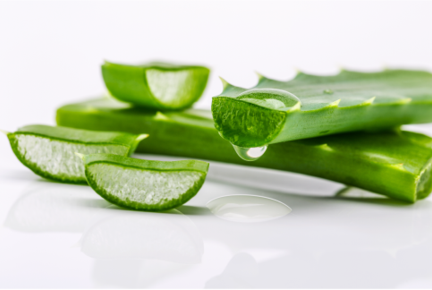
Image of sliced aloe vera leaves.

Pets are incredibly curious creatures who are not above snacking on anything that interests them. When that snack is a plant, problems can occur. Many plants are poisonous if eaten and can cause symptoms ranging from mild discomfort to death. Below is a list of some of the most common plants that sicken pets.

Aloe Vera

The leaves of the aloe vera plant offer quick relief for burns, but eating these plants can cause vomiting, diarrhea, decreased appetite, changes in urine color and tremors in both dogs and cats.

Amaryllis

These flowering plants provide a splash of color during the holiday season, but they can be poisonous to pets. Keep bulbs out of the reach of your cats and dogs, as these are the most toxic part of the plant. Sampling an amaryllis plant can cause drooling, loss of appetite, vomiting, diarrhea, abdominal pain, tremors and depression.

Azalea and Rhododendron

Eating azalea or rhododendron plants can cause symptoms that range from mild to life threatening. The severity of the symptoms vary depending on how much of the plant your cat or dog eats, but it only takes a small amount to make an animal sick. Symptoms include vomiting, diarrhea, drooling, loss of appetite, abnormal heart rate, weakness, abdominal pain, tremors, blindness, seizures and comas.

Baby's Breath

Found often in floral arrangements, these white flowers can cause vomiting, diarrhea, loss of appetite, lethargy and depression if they are ingested.

Buttercups

Cheerful yellow buttercups certainly do not look very threatening, but they can cause drooling, vomiting, diarrhea, weakness, tremors or seizures if eaten. Buttercup flowers are very bitter and cause mouth ulcers. In most cases, pets decide that buttercups are not so tasty after all, after a few bites.

Daffodils

The bulbs are also the most toxic part of daffodils. If your pet eats a daffodil, it may experience drooling, vomiting and diarrhea. Eating several daffodils can cause low blood pressure, heart arrhythmias, tremors and convulsions.

Holly, Mistletoe and Poinsettias

Eating one of these classic holiday plants can cause a range of symptoms. Although poinsettias have a bad reputation, eating them really only causes mild irritation to the mouth or stomach. Mistletoe is more dangerous. Eating it can result in gastrointestinal disorders, heart problems, hallucinations, vomiting and diarrhea. Consuming holly can also cause vomiting and diarrhea, but your pet may be most annoyed by the tiny cuts caused by the spiny leaves.

Morning Glories

You may notice some very unusual behavior if your pet eats morning glories. Symptoms include hallucinations, stomach upset, tremors, loss of appetite and difficulty controlling movements or balance.

Mountain Laurel

Mountain laurel plants produce attractive flowers in the spring, but eating these plants can be deadly. If your pet consumes mountain laurel, it may begin to drool and experience vomiting, diarrhea, heart rhythm abnormalities, tremors, coma and even death.

Tomato Plant

If your pet cannot resist eating the leaves and stems of a tomato plant, you may notice drooling, loss of appetite, diarrhea, drowsiness, confusion, weakness, slow heart rate, dilated pupils or changes in behavior.

Tulips

Munching on a tulip bulb can cause stomach problems, loss of appetite, drooling, convulsions and cardiac problems.

If you are concerned that your pet has eaten a dangerous plant, call us immediately. The sooner treatment begins, the more likely that the outcome will be positive. If you have other concerns about your pet's health, schedule an appointment today.

If your pet has eaten a dangerous plant outside of normal office hours, contact your nearest animal hospital immediately.

  • Pet Health
    • Chronic Conditions
    • Digestive and Oral Health
    • Diseases and Viruses
    • Pests and Parasites
    • Orthopedics
  • Today's Veterinarian
  • Choosing Your Pet
    • Finding Your Pet
    • Cats
    • Dogs
    • Exotics
      • Amphibians
      • Birds
      • Reptiles
        • Lizards
        • Turtles
    • Small Mammals
      • Ferrets
      • Rabbits
      • Domesticated Animals
        • Prairie Dogs
      • Pocket Pets
        • Chinchillas
        • Guinea Pigs
        • Hamsters
        • Hedgehogs
        • Rats
    • Livestock
      • Cows
      • Donkeys, Horses & Mules
      • Goats
      • Pigs
      • Poultry
      • Sheep
  • Living With Your Pet
    • Bringing Your Pet Home
    • Children and Pets
    • Providing Care
    • Travel
    • Saying Goodbye
  • Newsletter Library
    • Cats
    • Tips for Pet Owners
    • Behavior & Training
    • Fleas & Parasites
    • Keeping Pets Healthy
    • Recognizing Illness
    • Nutrition & Food
    • Pet Dangers
    • Seasonal Topics
    • Visiting the Vet
    • Equine
    • Newsletter Archive
      • Fun with Pets
      • Unbelievable Pets
  • Video Newsroom
    • Health Topics
    • Technology and Science
    • Other Interests
  • Newsletter Library
  • Client Survey
  • Pets4Kids

Free Heartworm Test With Proheart Injection

Complete Form Below For Details

Error!

    Featured Links

    Click to find out more

    • Online Forms

      Our patient forms are available online so they can be completed in the convenience of your own home or office.
    • Wellness Pricing

      Pricing for our most Common requested services.
    • Make An Appointment

      We will do our best to accommodate your busy schedule. Schedule an appointment today!

    Office Hours

    Our Regular Schedule

    Monday:

    7:30 am

    5:30 pm

    Walk-Ins & Urgent Care 8 am - 4 pm

    Tuesday:

    7:30 am

    5:30 pm

    Walk-Ins & Urgent Care 8 am - 4 pm

    Wednesday:

    7:30 am

    5:30 pm

    Walk-Ins & Urgent Care 8 am - 4 pm

    Thursday:

    7:30 am

    5:30 pm

    Walk-Ins & Urgent Care 8 am - 4 pm

    Friday:

    7:30 am

    5:30 pm

    Walk-Ins & Urgent Care 8 am - 4 pm

    Saturday:

    Closed

    Closed

    Sunday:

    Closed

    Closed

    Location

    Find us on the map

    Featured Articles

    Read about interesting topics

    • March Newsletter: How to Keep Your Cat Safe When Outdoors

      Wondering how your cat can safely spend time outdoors? ...

      Read More
    • March Newsletter: How to Choose Safe Blankets for Pets

      Do you know how to pick a safe blanket for your pet? ...

      Read More
    • February Newsletter: How to Reduce Dental Anxiety in Pets

      Does your pet hate toothbrushing? These tips could reduce dental anxiety. ...

      Read More
    • February Newsletter: How to Safely Change Your Cat’s Food

      Buying a new food for your cat? Find out how to switch foods safely. ...

      Read More
    • January Newsletter: Signs Your Pet Needs a Wellness Exam

      Does your pet need a wellness exam? ...

      Read More
    • January Newsletter: How Your Veterinarian Can Help If Your Pet Ingests Something Toxic

      Has your pet eaten something it shouldn't have? Find out how your vet can help. ...

      Read More
    • December Newsletter: Signs Your Pet Needs a Professional Cleaning

      Do you know when your pet needs a professional cleaning? ...

      Read More
    • December Newsletter: Simple Ways to Keep Your Home Flea-Free for Your Pet’s Well-being

      Never want to see another flea again? Try these tips for a flea-free home. ...

      Read More
    • November Newsletter: The Importance of Bloodwork for Your Pet’s Health

      Wondering if your pet really needs bloodwork? Find out the benefits of blood tests for your furry friend. ...

      Read More
    • November Newsletter: Turkey Day Tips for Pet Owners

      Don't forget about your pet when making Turkey Day preparations. ...

      Read More

    NEWSLETTER SIGNUP

    Sign up for more articles

    Error!

      Connect With Us

      • Copyright © 2026 MH Sub I, LLC dba iMatrix.
      • Admin Log In
      • Site Map